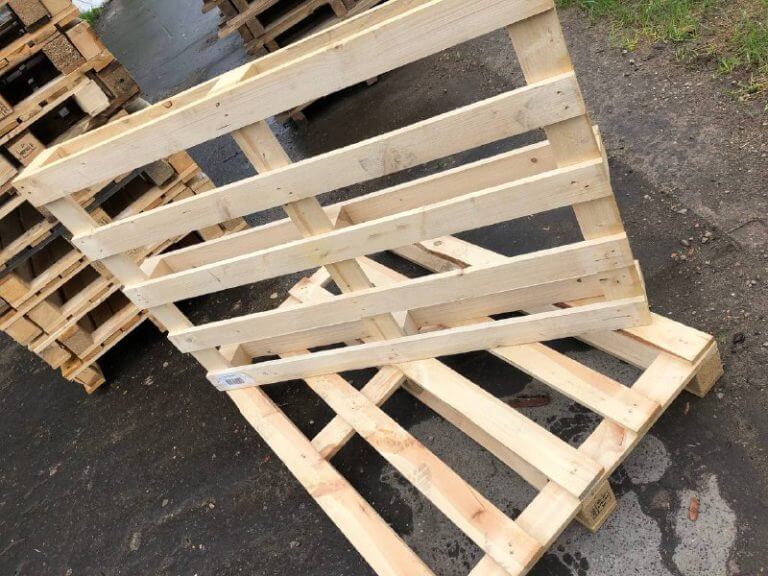
The Versatile World of Wooden Shipping Pallets
In today's globalized economy, the effectiveness of supply chains is critical. One key element that has remained vital in the shipping and logistics industry is the wooden shipping pallet. These basic yet robust structures have actually changed the method goods are carried, stored, and handled. This post checks out the value, benefits, and numerous elements of wooden shipping pallets, supported by data and a comprehensive analysis.
What Are Wooden Shipping Pallets?
Wooden shipping pallets are flat structures used to support goods while being lifted by forklifts and pallet jacks. They serve as a foundational component for bulk products, supplying stability and ease of transportation. Pallets can be found in numerous sizes and designs, but the standard size of 48" x 40" is extensively accepted in the market. They are usually made from wood or softwood, each choice affecting the pallet's toughness and weight capability.
Table 1: Standard Pallet Sizes
| Size (inches) | Weight Capacity (lbs) | Common Uses |
|---|---|---|
| 48 x 40 | 2,500 - 3,000 | General food items |
| 42 x 42 | 2,000 - 2,500 | Drink circulation |
| 48 x 48 | 2,500 - 3,500 | Bulk storage |
| 36 x 36 | 1,500 - 2,000 | Smaller sized products and tools |
The Benefits of Using Wooden Shipping Pallets
Wooden pallets use various benefits that make them a favored choice for lots of services. Below are some critical benefits:
1. Cost-Effectiveness
Wooden pallets are typically more economical than their plastic or metal counterparts. This expense advantage makes them ideal for business wanting to lessen shipping costs.
2. Sustainability
Wood is a sustainable resource, and numerous makers utilize recycled materials to produce wooden pallets. This makes them an environment-friendly alternative, lining up with the increasing focus on sustainable practices in supply chains.
3. Strength and Durability
Wooden pallets can support a considerable amount of weight, making them suitable for different industries, consisting of food and drink, pharmaceuticals, and building. They can stand up to normal warehouse conditions without considerable wear and tear.
4. Easy Repair
Unlike plastic pallets, which might require replacement if harmed, wooden pallets can often be fixed easily. read more can conserve business money in the long run.
5. Modification
Wooden pallets can be quickly personalized to satisfy particular transport requirements, consisting of size adjustments or specialized designs for specific items.
Table 2: Comparison of Pallet Types
| Function | Wooden Pallets | Plastic Pallets | Metal Pallets |
|---|---|---|---|
| Expense | Low | Moderate | High |
| Weight Capacity | High | Moderate to High | Extremely High |
| Repairability | Easy | Tough | Tough |
| Sustainability | High (eco-friendly) | Moderate (recyclable) | Low (non-renewable) |
| Customization | High | Restricted | Minimal |
The Lifespan of Wooden Shipping Pallets
Wooden pallets generally have a life expectancy of about 5 to 10 years, depending upon the quality of the wood, use frequency, and ecological conditions. Factors like direct exposure to moisture, chemicals, and heavy loads can considerably affect their longevity.
Maintenance Tips for Longer Lifespan
- Routine Inspection: Routinely look for fractures, loose boards, or indications of rot.
- Correct Storage: Store pallets in a dry, ventilated area to avoid moisture damage.
- Prevent Excessive Weight: Adhere to the defined weight limits to avoid degeneration.
- Repair Work Damages Promptly: Address any concerns as soon as they arise to extend the pallet's life.
Applications of Wooden Shipping Pallets
The versatility of wooden shipping pallets makes them indispensable across numerous markets. Here are some typical applications:
- Food and Beverage Industry: Used to transfer perishable goods while guaranteeing safety and health.
- Retail: Essential for shipping bulk items to stores and storage facilities.
- Construction: Transporting heavy materials such as bricks, tiles, and equipment.
- Chemical Industry: Securely moving bulk chemicals with the option for certified products.
Frequently Asked Questions (FAQ)
1. Can wooden pallets be used for global shipping?
Yes, wooden pallets can be used for international shipping. Nevertheless, they need to adhere to ISPM 15 standards, which require treatment to avoid the spread of insects.
2. How do I choose the best pallet for my needs?
Consider the weight of the products, the method they will be stored or carried, and if the pallets need to be recycled or returned.
3. Exist regulations concerning wooden pallets?
Yes, numerous guidelines govern the use of wooden pallets, especially worrying bug control and treatment methods for global shipping.
4. Where can I recycle wooden pallets?
Numerous regional services and recycling centers accept wooden pallets. Some business that focus on pallet recycling can also assist you repurpose or recycle used pallets.
5. What are the indications that a wooden pallet should be discarded?
Try to find substantial structural damage, signs of rot, or excessive wear. If a pallet can no longer safely support its desired load, it ought to be disposed of.
Wooden shipping pallets are important tools in the logistics and shipping industries, providing numerous advantages, from cost-effectiveness and sustainability to resilience and ease of repair. As companies continue to look for more efficient and eco-friendly ways to handle their supply chains, the role of wooden pallets is likely to remain significant. Comprehending the benefits and optimal usage of these pallets can cause smarter, more sustainable shipping options for business around the world.